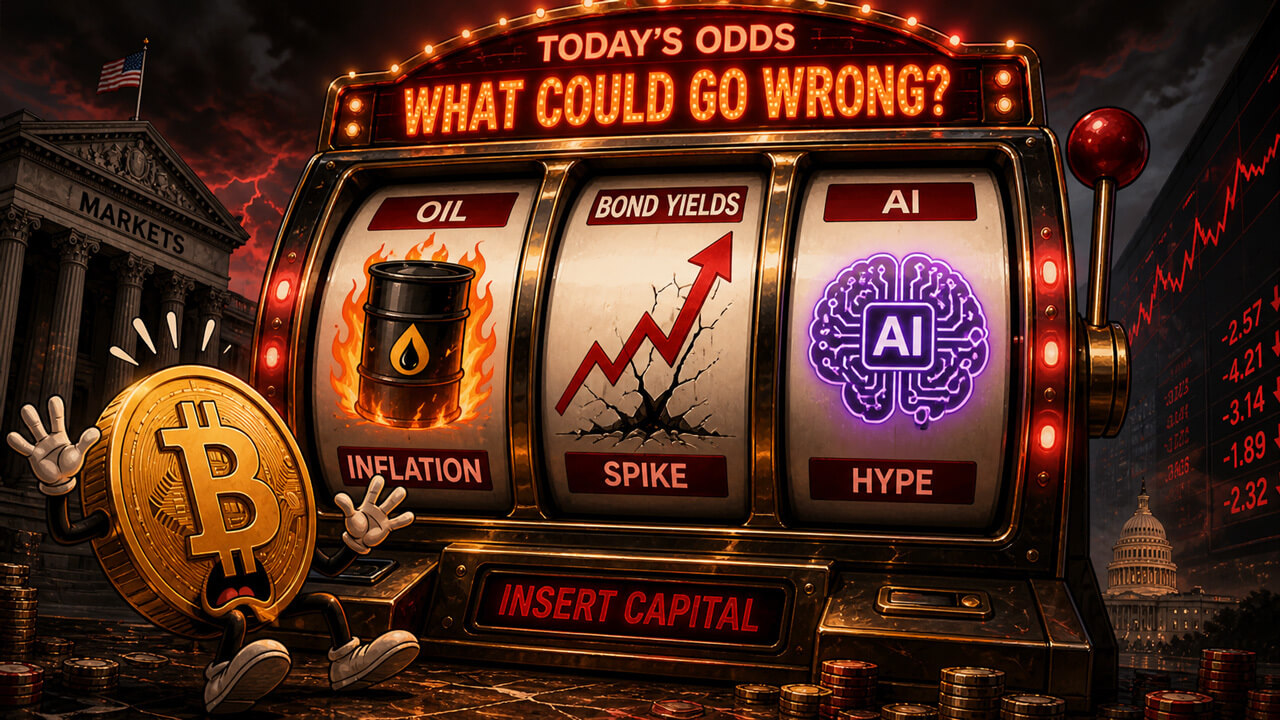
In a telling sign of maturation and potential autonomy, Bitcoin (BTC) has begun to decouple from the S&P 500, the widely followed U.S. stock market index. This move signals that BTC might be capable of trading on its own macroeconomic signals while U.S. stocks weaken.
The Picture Emerging: Bitcoin's Independence
For months, the relationship between Bitcoin and the S&P 500 had been tightly interwoven, mirroring each other in terms of direction, volatility, and stress. However, recent mixed macroeconomic data has led to a contradiction that could point towards BTC's independence.
Oil Prices and Yields: A Double Whammy for Stocks
Sources familiar with the matter attribute this shift to rising oil prices and increasing yields on U.S. Treasuries. These two factors have put pressure on stocks, causing them to weaken. The resulting turmoil in the equities market has seemingly created a vacuum that Bitcoin is now filling.
What Does This Mean for Retail Traders?
As things stand, this decoupling could be interpreted as a bullish setup for Bitcoin. With U.S. stocks showing signs of weakness, some investors might see the digital asset as a safer haven compared to traditional markets.
"Bitcoin's ability to move independently from the S&P 500 could open up new investment opportunities for retail traders," said one industry analyst.
Is This the Turning Point?
Whether this decoupling is a temporary aberration or the beginning of a long-term trend remains to be seen. As we've witnessed in the past, Bitcoin's price action can be highly volatile and subject to sudden reversals.
Bottom Line
The decoupling of Bitcoin from the S&P 500 could indicate that the digital asset is maturing and becoming less reliant on traditional financial markets. This development might create new opportunities for investors, but it also underscores the need for careful monitoring and strategic positioning.
Our profit/loss calculator can help you keep track of your investments, while our liquidation price calculator and crypto tax calculator can assist you in managing your risk and ensuring compliance with tax regulations.