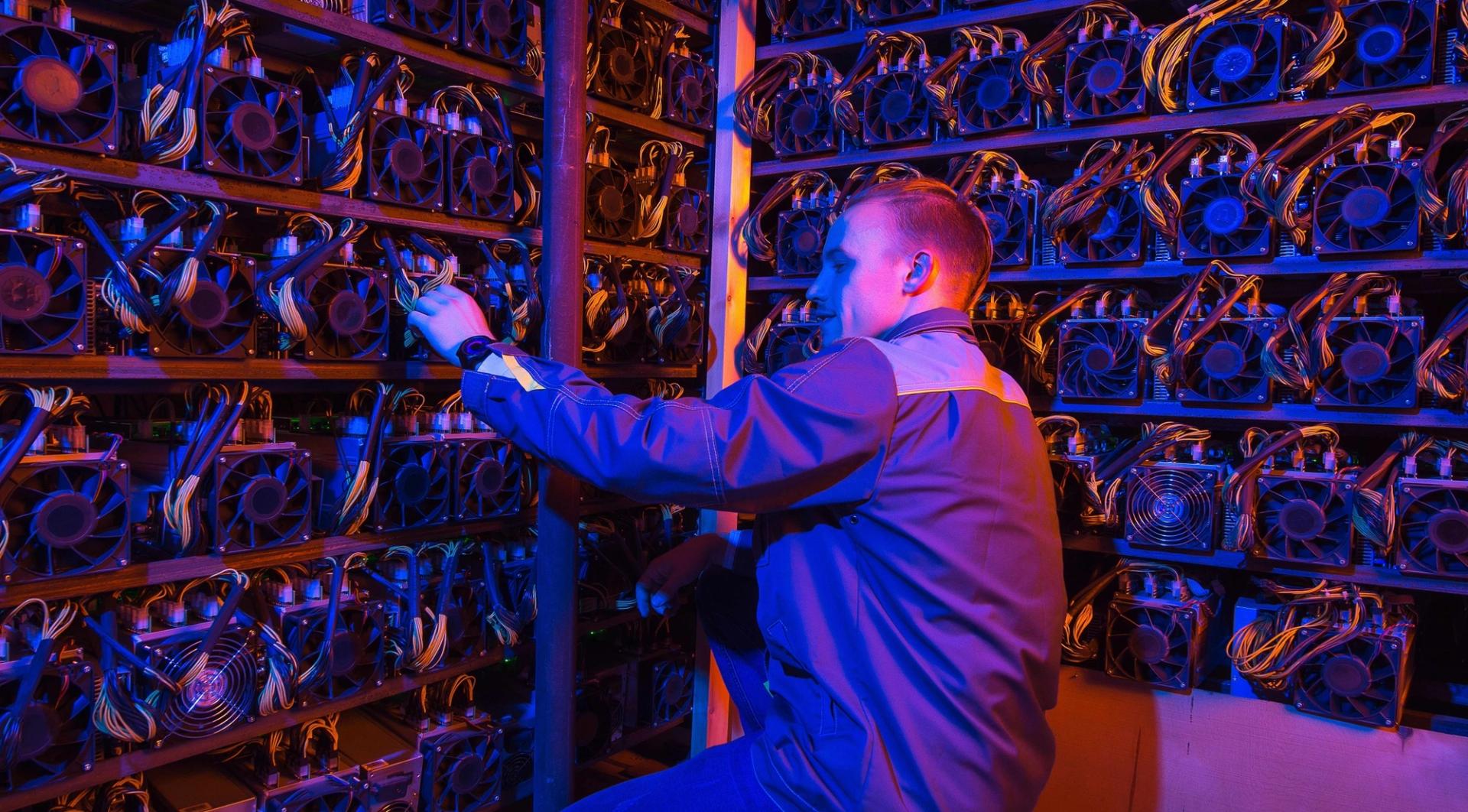
In a telling sign of the times, Bitcoin's hashrate has posted its first quarter-over-quarter drop in six years, according to a recent report from CoinDesk. This shift comes as miners begin to pivot towards more lucrative ventures, such as artificial intelligence. The move signals a significant change in the cryptocurrency landscape, one that could have far-reaching implications for the industry as a whole.
As we've seen, the Bitcoin hashrate is a key indicator of the network's overall health and security. A drop in hashrate can leave the network more vulnerable to attacks, which is a concern for investors and users alike. But what does this mean for retail traders, who have grown accustomed to the consistent growth of the Bitcoin network?
Miners Pivot to AI
Sources familiar with the matter indicate that many miners are shifting their attention to AI, citing the potential for higher profits and more stable revenue streams. This pivot is likely driven by the increasing competition in the Bitcoin mining space, which has made it more difficult for miners to turn a profit. As things stand, the picture emerging is one of an industry in flux, with miners adapting to new realities and seeking out new opportunities.
In a bid to better understand the implications of this shift, we can use tools like the crypto profit/loss calculator to model the potential impact on mining operations. By plugging in different scenarios, we can get a sense of how the drop in hashrate might affect the bottom line for miners.
A New Era for Mining
The drop in hashrate is a significant development, but it's not entirely unexpected. As the Bitcoin network has grown and matured, the mining landscape has become increasingly competitive. With the rise of more efficient mining hardware and the growing popularity of mining pools, the barrier to entry for new miners has decreased, leading to a surge in competition. Is this the turning point, where miners begin to look beyond Bitcoin for opportunities?
According to CoinDesk, the first-quarter drop in hashrate is the first in six years, with a decline of 3.8% compared to the previous quarter. This decline is likely due to a combination of factors, including the increasing difficulty of mining Bitcoin and the rising costs of electricity and hardware. As miners continue to pivot towards AI, it will be interesting to see how this affects the overall hashrate and the security of the Bitcoin network.
The shift towards AI is a natural evolution for the mining industry, as miners seek out new opportunities for growth and profit. But it also raises important questions about the long-term sustainability of the Bitcoin network.
As we consider the implications of this shift, it's worth noting that the liquidation price calculator can be a useful tool for miners looking to navigate the changing landscape. By understanding the liquidation price of their mining operations, miners can make more informed decisions about when to sell or hold on to their assets.
The Bigger Picture
In a broader sense, the drop in hashrate is a reminder that the cryptocurrency industry is constantly evolving. As new technologies and opportunities emerge, investors and miners must adapt to stay ahead of the curve. This is where tools like the crypto tax calculator can come in handy, helping investors to navigate the complex tax implications of their cryptocurrency holdings.
Personally, I believe that the pivot towards AI is a positive development for the industry, as it demonstrates the ability of miners to adapt and innovate in response to changing circumstances. However, it also highlights the need for greater transparency and regulation in the industry, to ensure that the benefits of this shift are shared by all stakeholders.
Bottom Line
In conclusion, the drop in Bitcoin's hashrate is a significant development that reflects the changing landscape of the cryptocurrency industry. As miners pivot towards AI and other new opportunities, it will be important to monitor the implications for the Bitcoin network and the broader industry. With the right tools and a bit of savvy, investors and miners can navigate this shift and come out on top.