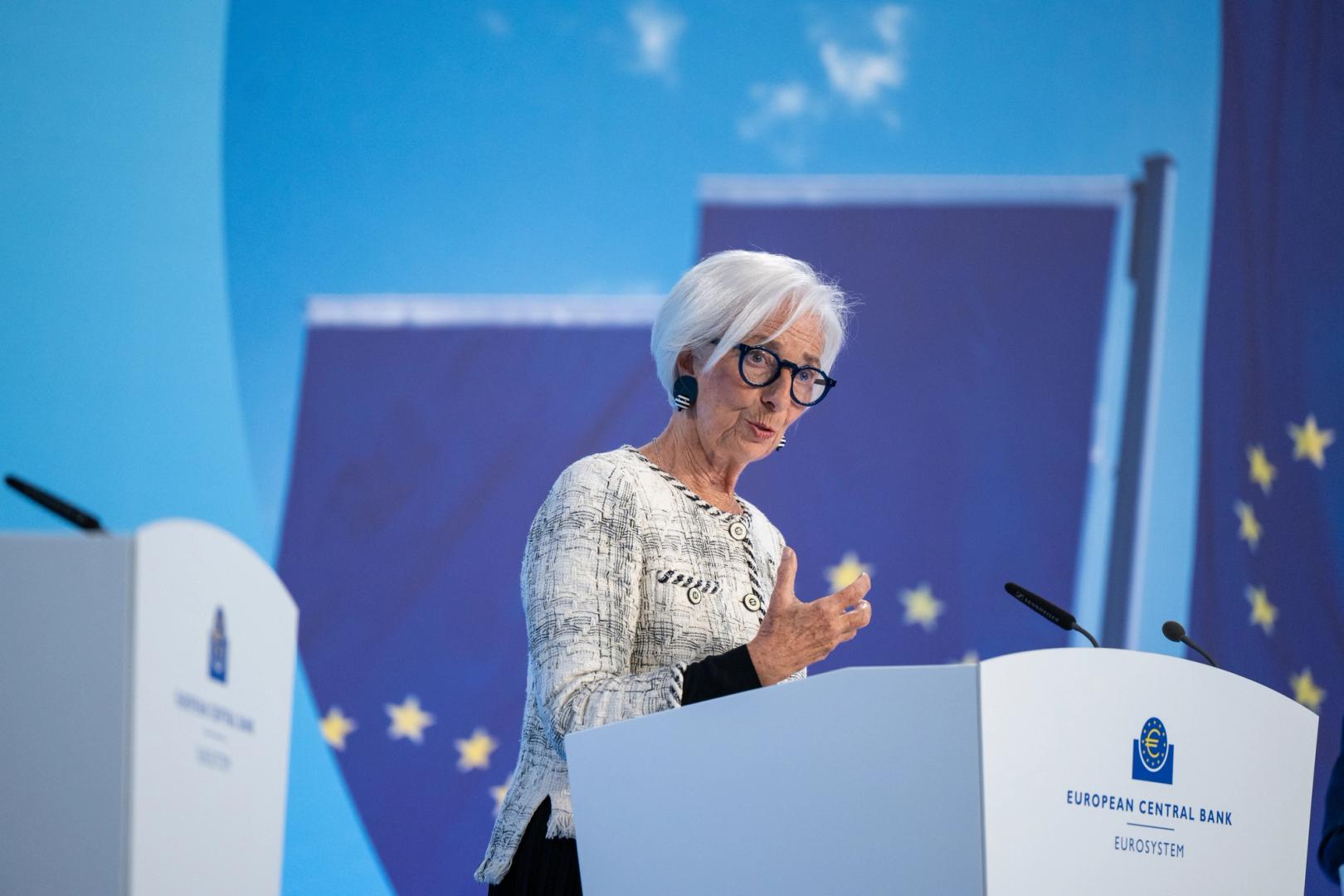
In a stark warning, European Central Bank (ECB) President Christine Lagarde has cautioned against blindly adopting the U.S. stablecoin model for the digital euro. The move signals a growing concern among European regulators about the potential risks of "digital dollarisation" in the region. As things stand, the picture emerging is one of cautious consideration, with Lagarde urging policymakers to carefully weigh the pros and cons of different approaches.
According to sources familiar with the matter, Lagarde's concerns are centered around the potential for stablecoins like Tether and Circle to undermine the euro's dominance in the region. This is a telling sign that European regulators are taking a closer look at the implications of a digital euro on the continent's financial landscape. What does this mean for retail traders, who are increasingly turning to stablecoins as a hedge against market volatility?
Digital Euro: A Delicate Balance
The ECB's approach to a digital euro is a delicate balancing act, requiring careful consideration of the potential risks and benefits. On one hand, a digital euro could provide a convenient and efficient means of payment, boosting financial inclusion and reducing transaction costs. On the other hand, it could also pose significant risks to the region's financial stability, particularly if it were to be backed by a foreign currency or asset. As we've seen with the rise of stablecoins, the lack of regulatory clarity can create uncertainty and undermine trust in the financial system.
In a recent interview, Lagarde noted that the ECB is "closely monitoring" the development of stablecoins and their potential impact on the eurozone. She also emphasized the need for a "proportionate and harmonized" regulatory approach, one that takes into account the unique characteristics of the European financial landscape. This is a sensible approach, in our opinion, as it recognizes the complexity of the issue and the need for a nuanced solution.
Stablecoin Risks: A Growing Concern
The risks associated with stablecoins are very real, and policymakers would do well to take them seriously. For example, the use of stablecoins as a means of avoiding capital controls or laundering money is a growing concern. Additionally, the lack of transparency and accountability in the stablecoin market can make it difficult for regulators to track and prevent illicit activity. As we're watching now, the stablecoin market is becoming increasingly sophisticated, with new players and products emerging all the time.
For retail traders, the risks associated with stablecoins can be significant. That's why it's essential to use tools like the crypto profit/loss calculator to track and manage your investments. Additionally, the liquidation price calculator can help you understand the potential risks of margin trading and avoid costly mistakes.
"The digital euro is not just a technical issue, it's a political and economic one. We need to ensure that it serves the interests of the European people, not just those of the financial industry." - ECB President Christine Lagarde
In terms of taxation, the rise of stablecoins and other digital assets has created a complex web of rules and regulations. To navigate this landscape, it's essential to use tools like the crypto tax calculator to ensure compliance and avoid any potential penalties. Is this the turning point for the digital euro, and will European regulators be able to create a stable and secure financial system for the continent?
Conclusion and Next Steps
As the ECB continues to explore the possibilities of a digital euro, it's clear that there are many challenges ahead. However, with careful consideration and a nuanced approach, we believe that a digital euro can be a success. It's essential to prioritize the needs of the European people and to create a financial system that is stable, secure, and accessible to all.
Bottom Line
In the end, the digital euro is a complex issue that requires careful consideration and a nuanced approach. As we've seen, the risks associated with stablecoins are very real, and policymakers must take them seriously. By using the right tools and taking a proactive approach, we can create a stable and secure financial system for the European continent. The question is, what's next for the digital euro, and will European regulators be able to create a system that serves the needs of all stakeholders?