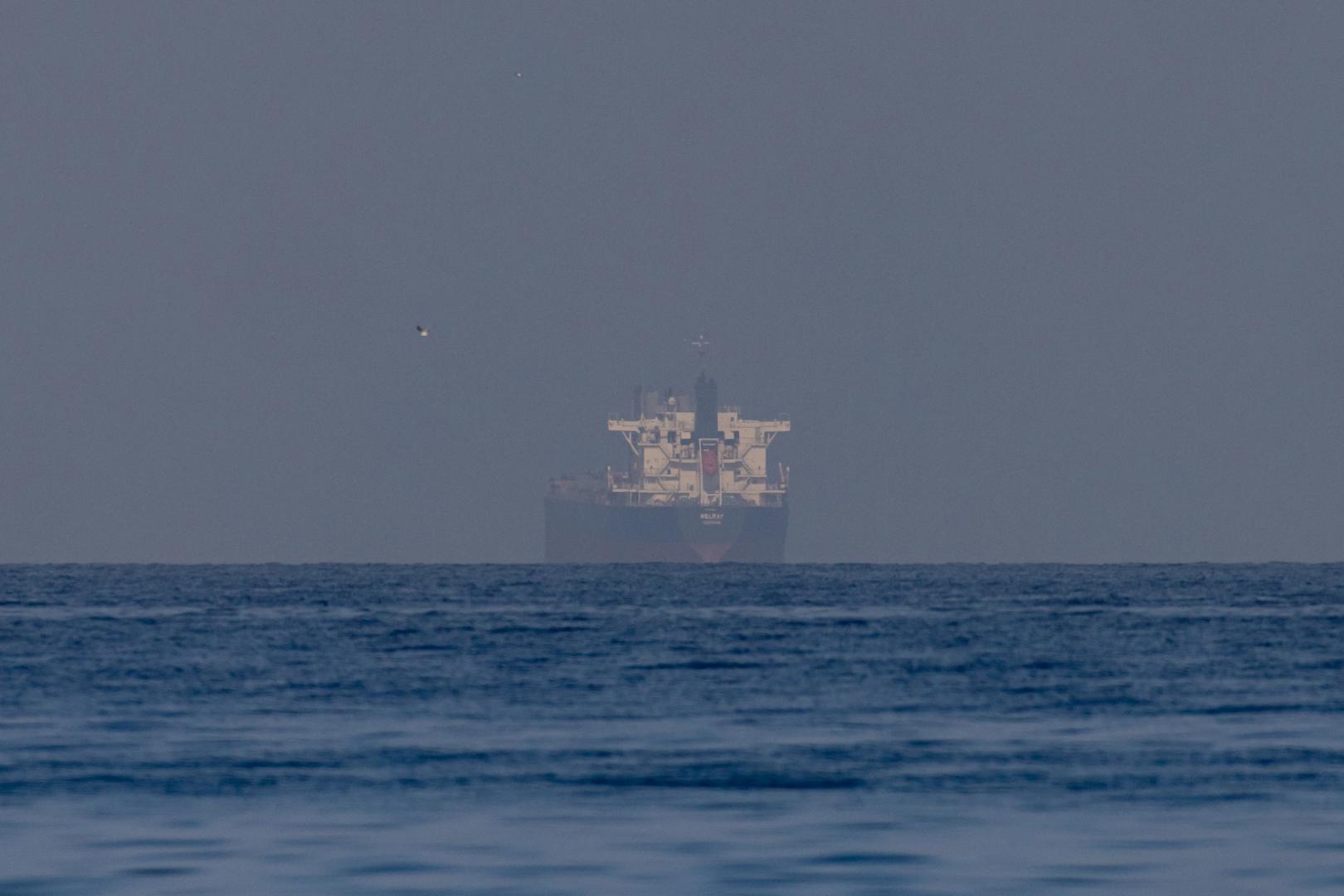
In a surprising turn of events, Iran is reportedly considering transforming the Strait of Hormuz into a bitcoin-based insurance market, according to local reports. This move signals a significant shift in the country's approach to maritime trade and insurance, as it seeks to mitigate the risks associated with navigating the strategically important waterway. As things stand, the strait is a critical chokepoint for global oil trade, with approximately 20% of the world's oil passing through it.
What does this mean for retail traders and the broader crypto market? Is this the turning point where we see a mainstream adoption of bitcoin in traditional industries? As we've seen in the past, the use of bitcoin in insurance markets can provide a secure and transparent way to conduct transactions, but it also raises questions about regulatory oversight and potential risks.
Background and Context
Sources familiar with the matter indicate that Iran has been exploring alternative methods to insure its maritime trade, following increased tensions with Western countries and the imposition of economic sanctions. The use of bitcoin in this context provides a potentially attractive solution, as it allows for peer-to-peer transactions without the need for intermediaries. However, it also raises concerns about the potential for money laundering and other illicit activities. In a telling sign of the country's intentions, Iranian officials have been engaging with local bitcoin exchanges and industry experts to discuss the feasibility of such a market.
We're watching a story unfold that could have far-reaching implications for the global economy and the crypto market. The picture emerging is one of a country seeking to leverage bitcoin to circumvent traditional financial systems and mitigate the impact of economic sanctions. As the situation develops, it will be important to monitor the response from international regulators and the broader crypto community.
The Role of Bitcoin in Insurance Markets
Bitcoin's potential in insurance markets is significant, as it provides a secure and transparent way to conduct transactions. For instance, using a crypto profit/loss calculator can help traders and investors better understand the potential risks and rewards of investing in bitcoin. Moreover, the use of bitcoin in insurance markets can also provide a hedge against traditional currency fluctuations and inflation. However, as with any new and emerging market, there are also risks involved, and investors should be aware of the potential for liquidation if the market moves against them.
"The use of bitcoin in insurance markets is a game-changer, as it provides a secure and transparent way to conduct transactions and can help to reduce the risk of fraud and other illicit activities." - Anonymous industry expert
As we consider the implications of Iran's potential move, it's also important to think about the tax implications of investing in bitcoin. Using a crypto tax calculator can help investors navigate the complex world of crypto taxation and ensure they are in compliance with all relevant regulations. This is particularly important in a market where the rules and regulations are still evolving.
Conclusion and Analysis
While the move by Iran to establish a bitcoin-based insurance market in the Strait of Hormuz is intriguing, it's also important to approach this development with a critical eye. As an editorial team, we believe that this move has the potential to be a positive development for the crypto market, but it's also important to recognize the potential risks and challenges involved. In an editorial opinion, we would argue that this move is a step in the right direction, as it demonstrates the potential for bitcoin to be used in traditional industries and provides a secure and transparent way to conduct transactions.
Bottom Line
In conclusion, the potential establishment of a bitcoin-based insurance market in the Strait of Hormuz is a significant development that warrants close attention. As we've seen, the use of bitcoin in insurance markets provides a secure and transparent way to conduct transactions, but it also raises questions about regulatory oversight and potential risks. As the situation develops, it will be important to monitor the response from international regulators and the broader crypto community, and to consider the potential implications for retail traders and the global economy.