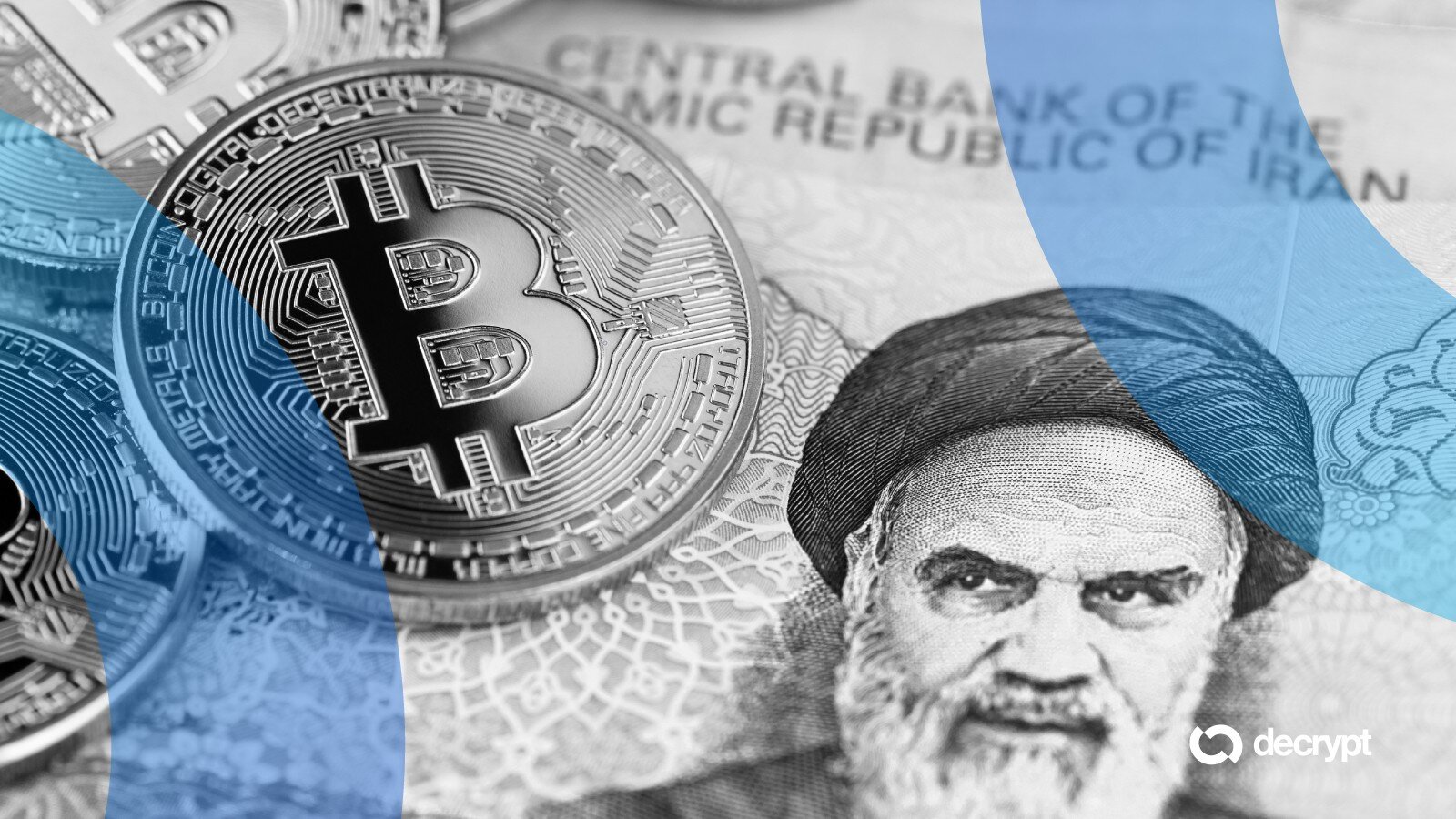
In a bold and innovative move, Iranian officials have announced plans to accept Bitcoin payments from oil ships seeking passage through the strategically crucial Strait of Hormuz, according to a report by the Financial Times. This decision aims to ensure that the tolls "can't be traced or confiscated due to sanctions," as stated by these officials.
The Context: Tightening Sanctions and Crypto Adoption
Iran, which has been grappling with crippling US sanctions for several years now, has found itself in a precarious economic situation. These restrictions have severely limited the country's ability to conduct international trade, particularly in oil, one of Iran's primary exports.
The use of Bitcoin as a means of payment could potentially bypass these sanctions, given the decentralized and pseudonymous nature of cryptocurrencies. This isn't the first time Iran has shown interest in digital assets; earlier this year, reports surfaced of Iranian authorities planning to launch their own state-backed digital currency.
The Move: Uncharted Waters
While the idea of using Bitcoin for international transactions is not entirely novel, the application of this technology in the context of sanctions evasion raises several questions and concerns. It's important to note that the use of cryptocurrencies for illegal activities has been a topic of discussion among regulators worldwide.
Sources familiar with the matter have confirmed that Iran plans to use Bitcoin mining facilities, most likely operated by state-owned entities, to process these payments. However, it remains unclear how exactly these transactions will be executed, and whether they will face resistance from international authorities.
What Does This Mean for Retail Traders?
As things stand, the average retail trader might not be directly impacted by this move. However, it's worth noting that any significant increase in Bitcoin demand could drive up its price. Conversely, increased scrutiny from regulatory bodies could lead to market volatility.
For those interested in investing in Bitcoin, it may be prudent to keep an eye on developments in this region and consider using tools like our crypto profit/loss calculator to monitor potential gains or losses.
The Picture Emerging: A Crypto Wild West?
"If Iran can use Bitcoin to evade sanctions, what's to stop other countries from doing the same?" - Unnamed source
This move by Iran could set a precedent for the use of cryptocurrencies in circumventing international sanctions. While this might be seen as an aggressive maneuver by some, it also highlights the potential power of decentralized digital assets in challenging traditional financial systems.
Is This the Turning Point?
As we've seen over the past few years, the crypto landscape is constantly evolving. While Iran's decision to accept Bitcoin payments might not be a game-changer in and of itself, it does signal a growing trend towards the use of digital assets as a tool for economic survival.
Whether this move will face opposition from international bodies or encourage other countries in similar situations remains to be seen. It's a fascinating development that crypto enthusiasts and analysts alike will undoubtedly be watching closely.
Bottom Line
Iran's decision to accept Bitcoin payments for oil ships seeking passage through the Strait of Hormuz marks a significant step in the use of cryptocurrencies as a means of sanctions evasion. While this move raises several questions and concerns, it also underscores the potential power of decentralized digital assets in challenging traditional financial systems.
For retail traders, it's essential to stay informed about developments in this space and consider using tools like our crypto profit/loss calculator, liquidation price calculator, and crypto tax calculator to manage risks and make informed decisions.