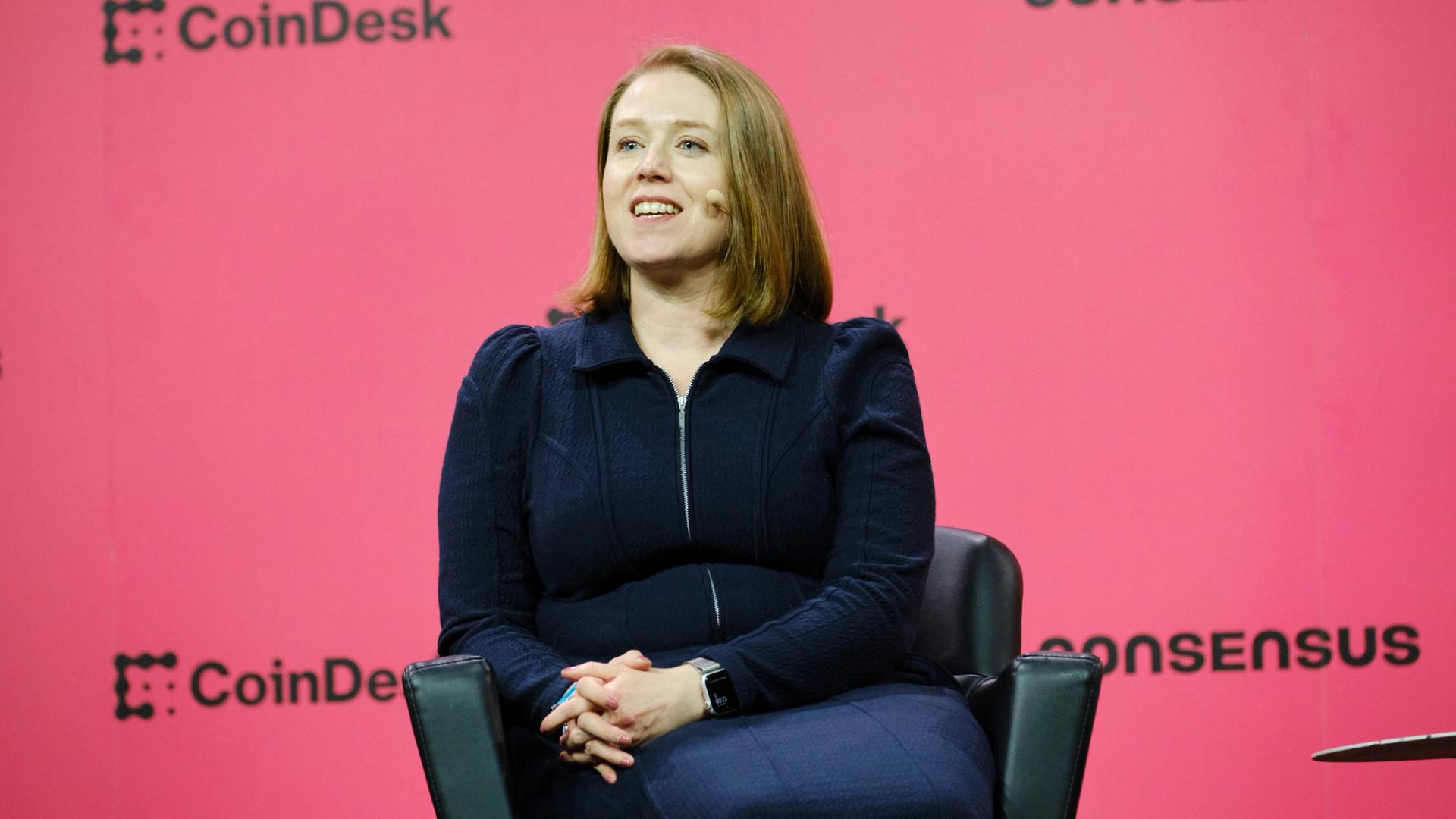
In a move that signals Wall Street's growing interest in tokenization, JPMorgan has filed to launch a new tokenized fund, according to a report by CoinDesk on May 12, 2026. This development is the latest in a series of moves by major financial institutions to explore the potential of blockchain technology. As we've seen, the past year has been marked by a surge in investment in tokenization, with many experts predicting that it will play a key role in the future of finance.
So, what does this mean for the average investor? For one, it suggests that the lines between traditional finance and cryptocurrency are becoming increasingly blurred. As things stand, the picture emerging is one of a financial landscape that is rapidly evolving, with tokenization at the forefront of this change. Sources familiar with the matter indicate that JPMorgan's new fund will be focused on providing investors with exposure to a range of assets, including stocks and bonds, through the use of blockchain technology.
Tokenization Takes Center Stage
The move by JPMorgan is just the latest in a series of high-profile announcements related to tokenization. In recent months, we've seen a number of major financial institutions, including Goldman Sachs and Citigroup, launch their own tokenization initiatives. This trend is expected to continue, with many experts predicting that tokenization will become a major driver of growth in the financial sector in the coming years. As we watch this space, it's clear that the potential for tokenization to disrupt traditional financial models is significant.
But what exactly is tokenization, and how does it work? In simple terms, tokenization involves the creation of digital tokens that represent ownership in an underlying asset. These tokens can then be bought and sold on cryptocurrency exchanges, providing investors with a new way to access a range of assets. For example, an investor looking to gain exposure to a particular stock or bond can purchase a token that represents ownership in that asset, rather than having to purchase the asset itself. This can be a more efficient and cost-effective way to invest, and can also provide investors with greater flexibility and liquidity. To calculate the potential profits and losses from such investments, investors can use a crypto profit/loss calculator.
A New Era for Investing
As the tokenization race heats up, it's clear that we're entering a new era for investing. With the ability to purchase and sell digital tokens that represent ownership in a range of assets, investors are now faced with a wider range of options than ever before. But with this increased flexibility comes increased risk, and investors will need to be careful to navigate the complexities of the tokenization market. In a telling sign of the potential risks involved, some experts have warned that the use of leverage in tokenization could lead to significant losses for investors if not managed properly. To mitigate these risks, investors can use a liquidation price calculator to determine the potential liquidation price of their investments.
Is this the turning point for the adoption of tokenization on Wall Street? It's certainly a significant development, and one that suggests that the major financial institutions are now taking tokenization seriously. As one expert noted, "the fact that JPMorgan is launching a tokenized fund is a clear indication that the industry is moving in this direction."
"Tokenization has the potential to revolutionize the way we invest, and it's exciting to see the major financial institutions starting to take notice," said a source familiar with the matter.
In our view, the development of tokenization is a positive trend that has the potential to increase efficiency and reduce costs in the financial sector. However, it's also important to approach this trend with caution, and to carefully consider the potential risks and benefits involved. As we watch this space, it's clear that the next few years will be critical in determining the future of tokenization. And as investors look to navigate this new landscape, they will need to be aware of the tax implications of their investments. To help with this, we recommend using a crypto tax calculator to determine the tax liabilities associated with their tokenized assets.
Bottom Line
In conclusion, the launch of JPMorgan's new tokenized fund is a significant development that signals the growing importance of tokenization on Wall Street. As we've seen, the potential for tokenization to disrupt traditional financial models is significant, and it will be exciting to watch this space over the coming years. With the right tools and knowledge, investors can navigate this new landscape and take advantage of the opportunities that tokenization provides.