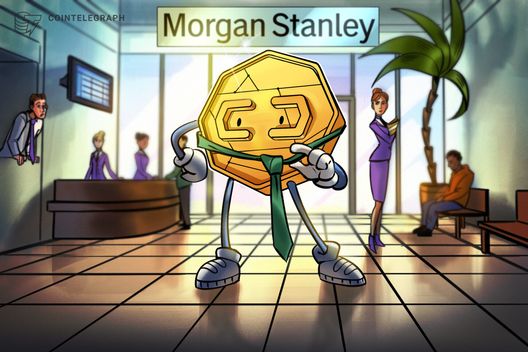
In a significant development for the cryptocurrency space, Morgan Stanley has launched a stablecoin offering through its money market fund, MSNXX. The move signals a growing recognition of the importance of stablecoins in the financial landscape. According to sources familiar with the matter, stablecoin issuers must invest a minimum of $10 million into MSNXX to access the stablecoin reserve offering. This is a substantial commitment, but one that could pay off for those looking to tap into the vast resources of a major financial institution like Morgan Stanley.
As we've seen, the stablecoin market has been growing rapidly in recent years, with a range of players entering the space. But what does this mean for retail traders? Will they be able to access the benefits of Morgan Stanley's stablecoin offering, or will this be limited to institutional investors? These are questions that we'll be watching closely in the coming weeks and months.
Stablecoins and Institutional Investment
The picture emerging is one of increasing institutional investment in the cryptocurrency space. Morgan Stanley's move is just the latest example of a major financial player dipping its toes into the water. In a telling sign of the times, the company is not just launching a stablecoin offering, but doing so through a money market fund. This suggests that the firm is looking to provide a secure and stable way for investors to access the cryptocurrency market.
This is not a trivial development. The fact that Morgan Stanley is requiring a minimum investment of $10 million to access the stablecoin reserve offering suggests that the company is targeting institutional investors. But for those who can meet this threshold, the potential benefits are significant. By using a crypto profit/loss calculator, investors can get a sense of the potential returns on their investment, and make more informed decisions about their portfolio.
Implications for the Broader Market
So what are the implications of Morgan Stanley's move for the broader cryptocurrency market? One possible outcome is that we'll see a surge in institutional investment in the space. If major financial players like Morgan Stanley are getting on board, this could be a sign that the market is maturing. But it's also possible that this could lead to increased regulation, as governments and regulatory bodies take notice of the growing involvement of institutional investors.
"The launch of Morgan Stanley's stablecoin offering is a significant development for the cryptocurrency space, and one that could have far-reaching implications for investors and the broader market." - Source: CoinTelegraph
As things stand, the cryptocurrency market is still highly volatile. But with the involvement of major financial players like Morgan Stanley, we may see a degree of stabilization. This could be good news for retail traders, who have often been buffeted by the wild swings of the market. By using tools like a liquidation price calculator, investors can better understand their risk exposure, and make more informed decisions about their investments.
It's also worth noting that the tax implications of investing in cryptocurrency can be complex. As we've seen, the IRS has been taking a closer look at cryptocurrency investments, and investors need to be aware of their tax obligations. By using a crypto tax calculator, investors can get a sense of their tax liability, and plan accordingly.
Conclusion and Next Steps
Is this the turning point for the cryptocurrency market? It's too early to say, but one thing is clear: the involvement of major financial players like Morgan Stanley is a significant development. As we watch the market unfold, we'll be keeping a close eye on the implications of this move, and what it means for investors and the broader market.
Bottom Line
In the end, Morgan Stanley's launch of a stablecoin offering through its money market fund is a significant development for the cryptocurrency space. While there are still many questions to be answered, one thing is clear: this move has the potential to bring a degree of stability and legitimacy to the market. As we've seen, the involvement of major financial players can be a powerful catalyst for growth and development. Now, it's up to investors to decide how to respond to this new development, and to navigate the opportunities and challenges that it presents.