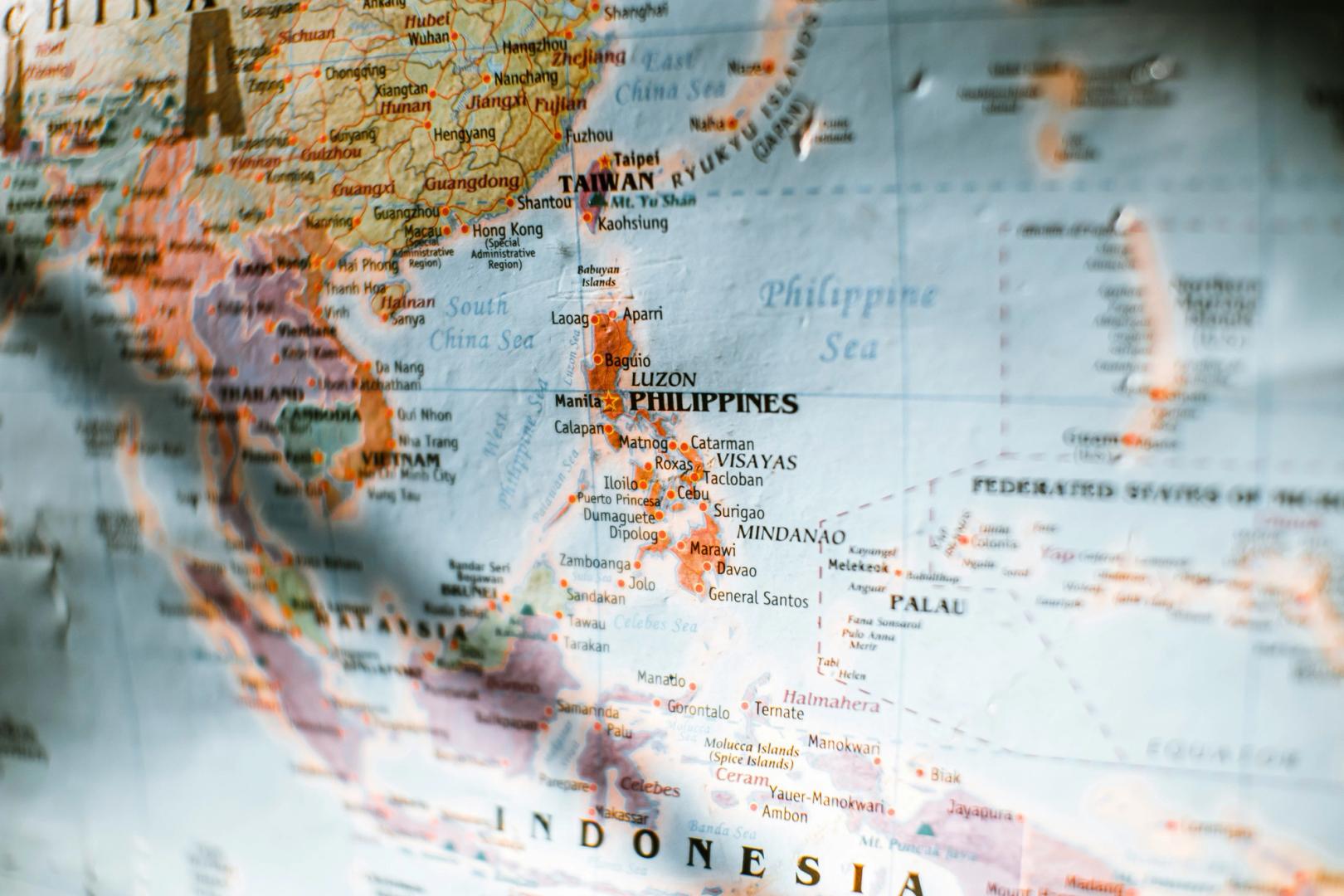
The Philippines' central bank has dropped a bombshell, stating that Binance and its local partner lack the necessary licenses to operate in the country. This move signals a significant shift in the regulatory landscape for cryptocurrencies in the Philippines, and it's likely to send shockwaves throughout the industry. As things stand, Binance is one of the largest and most popular cryptocurrency exchanges in the world, and this development could have major implications for its operations in the region.
In a telling sign of the regulators' growing scrutiny of the crypto space, the central bank's announcement comes on the heels of increased regulatory pressure on Binance from other countries, including the United States and Japan. Sources familiar with the matter indicate that the central bank's decision is part of a broader effort to crack down on unlicensed cryptocurrency operations in the Philippines. But what does this mean for retail traders who have already invested in the platform? Will they be forced to withdraw their funds, or will Binance find a way to navigate the regulatory hurdles and obtain the necessary licenses?
Regulatory Environment
The picture emerging is one of increased regulatory scrutiny, not just in the Philippines, but globally. As we've seen in recent months, regulators are taking a closer look at the crypto industry, and they're not afraid to take action when they see non-compliance. This is a trend that's likely to continue, and it's something that investors and traders need to be aware of. In our own analysis, we've noted that the regulatory environment is becoming increasingly complex, with different countries and jurisdictions having their own set of rules and regulations. To navigate this complex landscape, investors can use tools like our crypto profit/loss calculator to get a better understanding of their investment performance.
But is this the turning point for Binance, or will the company find a way to adapt to the changing regulatory environment? According to a statement from the company, Binance is "committed to complying with all relevant regulations and laws" and is "working closely with regulators to ensure that we are meeting all necessary requirements." However, the company has not yet provided any details on how it plans to address the licensing issues in the Philippines. As the situation continues to unfold, we'll be keeping a close eye on developments and providing updates as more information becomes available.
Implications for Investors
For investors who have already invested in Binance, the news is likely to be unsettling. The lack of licenses could potentially lead to a shutdown of the platform, which would leave investors without access to their funds. In a worst-case scenario, this could even lead to a forced liquidation of assets, which would result in significant losses for investors. To mitigate this risk, investors can use tools like our liquidation price calculator to get an estimate of the potential losses.
"The regulatory environment is becoming increasingly complex, and it's essential for investors to stay informed and adapt to the changing landscape." - Crypto Expert
As we've seen in the past, regulatory actions can have far-reaching consequences for the crypto market. The move by the Philippines' central bank is a reminder that regulators are paying close attention to the industry, and they're not afraid to take action when they see non-compliance. In our opinion, this is a positive development, as it will help to weed out unscrupulous operators and promote a more stable and secure environment for investors. However, it's also important to note that over-regulation can stifle innovation and hinder the growth of the industry. As such, it's essential for regulators to strike a balance between protecting investors and promoting innovation.
In addition to the regulatory implications, investors also need to consider the tax implications of their investments. As the crypto market continues to evolve, tax authorities are taking a closer look at the industry, and investors need to be aware of their tax obligations. To navigate the complex tax landscape, investors can use tools like our crypto tax calculator to get an estimate of their tax liabilities.
Conclusion and Next Steps
What we're watching now is a regulatory environment that's becoming increasingly complex, with different countries and jurisdictions having their own set of rules and regulations. As the situation continues to unfold, we'll be keeping a close eye on developments and providing updates as more information becomes available. In the meantime, investors need to be aware of the potential risks and take steps to mitigate them.
Bottom Line
In conclusion, the news that Binance and its local partner lack licenses to operate in the Philippines is a significant development that's likely to have far-reaching implications for the crypto industry. As regulators continue to scrutinize the industry, investors need to stay informed and adapt to the changing landscape. By using tools like our crypto calculators and staying up-to-date with the latest developments, investors can navigate the complex regulatory environment and make informed investment decisions.