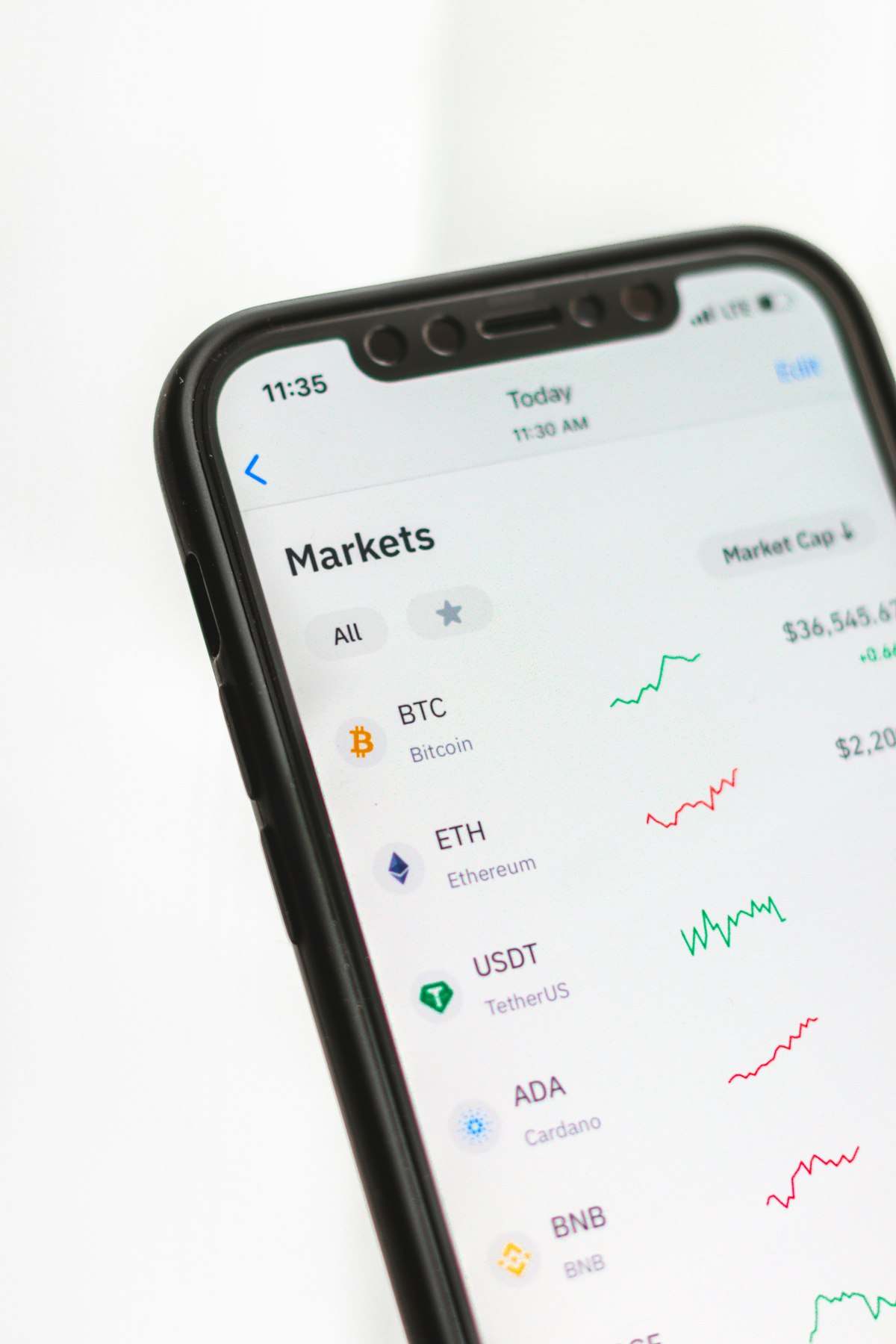
In a groundbreaking move that could reshape the landscape of both traditional finance and cryptocurrencies, the U.S. Securities and Exchange Commission (SEC) is reportedly finalizing a framework to permit digital, blockchain-based representations of publicly traded stocks to be exchanged on cryptocurrency platforms.
The Implications for the Crypto Sphere
This decision, if confirmed, would mark a significant step forward in the SEC's approach towards digital assets. It signals a potential acceptance of security tokens, a segment of the crypto market that has long been awaiting regulatory clarity.
The move could open up new avenues for investment and trading, potentially attracting a wider range of participants to the cryptocurrency space. However, it also raises questions about the governance, security, and transparency of these tokenized assets.
A Tale of Two Markets
As things stand, traditional stock markets and cryptocurrency exchanges operate in largely separate spheres. Tokenizing stocks could bridge this gap, allowing for seamless trading between these two worlds.
This development could also spur innovation in the creation of new financial products, such as index funds or exchange-traded funds (ETFs) based on tokenized stocks. However, it remains to be seen how this will impact the existing stock markets and if it will lead to a shift in investment patterns.
A Question for Retail Traders
What does this mean for retail traders? If tokenized stocks become widely available, they may offer new opportunities for individual investors looking to diversify their portfolios. However, they could also introduce additional risks and complexities that require careful consideration.
Is This the Turning Point?
While we've seen hints of a more accommodative stance from the SEC towards cryptocurrencies in recent months, this potential move towards tokenized stocks could be a defining moment in the relationship between traditional finance and the crypto world.
If successful, it could pave the way for further regulatory clarity and foster greater integration between these two sectors. However, it also underscores the need for robust regulations to protect investors and maintain market integrity.
A Closer Look at Tokenized Stocks
"Tokenizing stocks could make them more accessible, tradable, and potentially valuable," says Micah Zimmerman in his report on Bitcoin Magazine.
However, the process of tokenization involves converting traditional assets into digital tokens stored on a blockchain. This raises questions about the security, regulation, and transparency of these tokens, particularly given their decentralized nature.
Bottom Line
The potential for the SEC to allow tokenized stocks on crypto platforms is an exciting development that could reshape the investment landscape. As we're watching now, this move indicates a shift towards a more accommodative stance from the SEC towards digital assets.
However, it also underscores the need for careful consideration and robust regulations to ensure investor protection and maintain market integrity. For retail traders, this could offer new opportunities but requires a thorough understanding of the risks involved.
Our crypto profit/loss calculator can help you assess potential gains and losses associated with your investments in tokenized stocks, while our liquidation price calculator can help you understand the risks of margin trading in this new market.
Our crypto tax calculator is another valuable tool for anyone invested in tokenized stocks, helping you stay on top of your tax obligations as you navigate this evolving landscape.