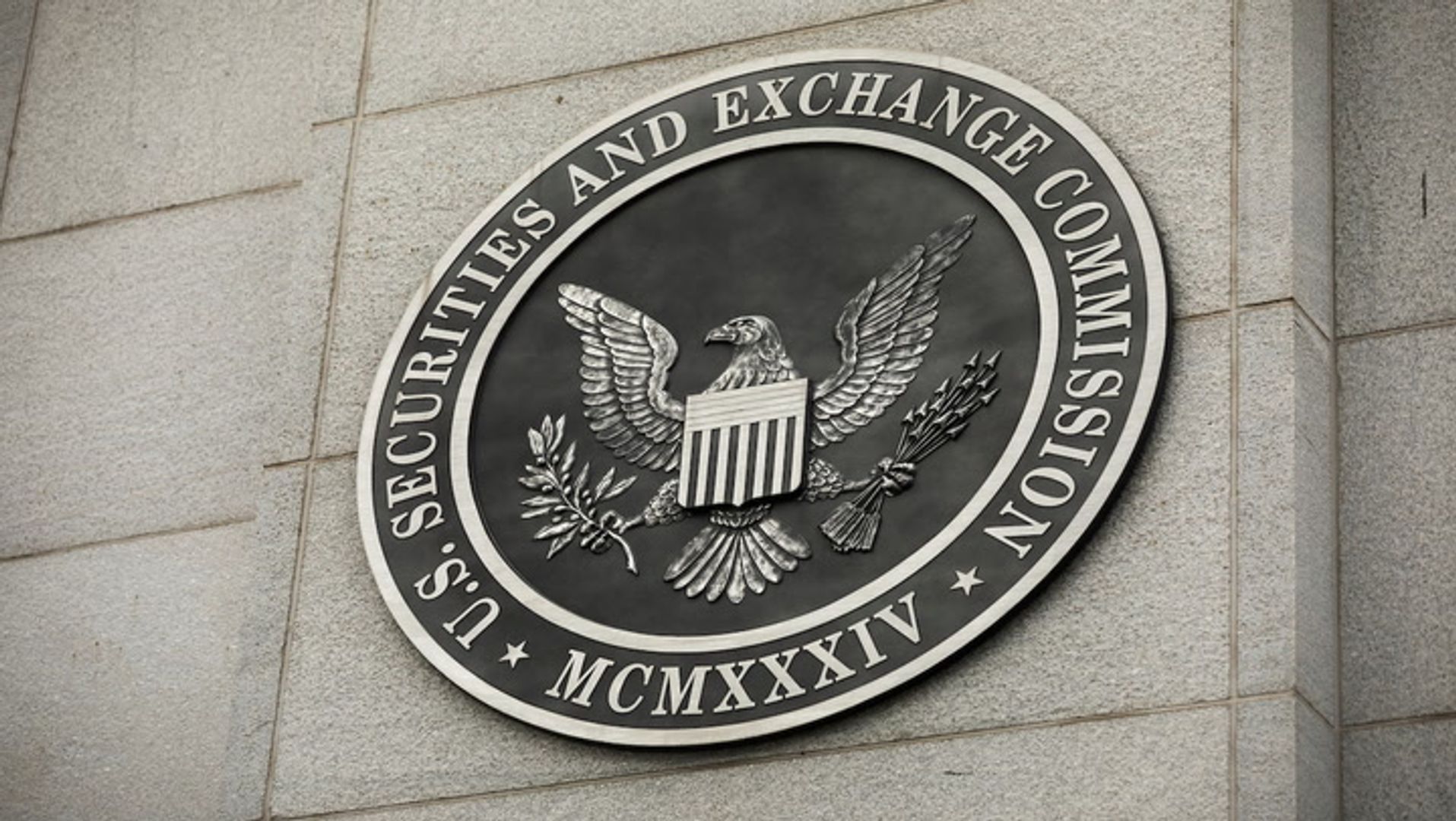
In a significant development for the crypto space, the SEC is set to propose a framework for tokenized stocks, according to a report by Bloomberg. This move signals a deepening of Wall Street's efforts to integrate blockchain technology into traditional financial markets. As we've seen, the intersection of crypto and traditional finance has been a focal point of interest in recent years, with many experts arguing that tokenization could be a key driver of innovation and efficiency in the industry.
Sources familiar with the matter indicate that the proposed framework will aim to provide clarity on the regulatory treatment of tokenized stocks, which could potentially pave the way for greater adoption and investment in the space. But what does this mean for retail traders, who have been eagerly awaiting a more comprehensive and clear regulatory environment? Will this proposed framework be enough to alleviate concerns and boost confidence in the market?
Regulatory Clarity
In a telling sign of the growing importance of tokenization, major Wall Street players such as JPMorgan and Goldman Sachs have been actively exploring the use of blockchain technology to facilitate the trading and settlement of securities. The picture emerging is one of a rapidly evolving landscape, where traditional financial institutions are increasingly looking to leverage the benefits of distributed ledger technology to improve efficiency, reduce costs, and enhance transparency. As things stand, the lack of clear regulatory guidance has been a major hurdle to widespread adoption, but the SEC's proposed framework could be a major step forward in addressing this issue.
According to the report, the SEC's proposal is expected to be released in the coming weeks, with a public comment period to follow. This will provide stakeholders with an opportunity to weigh in on the proposed framework and provide feedback on its potential impact on the industry. In our view, this is a welcome development, as regulatory clarity is essential for building trust and confidence in the market. By providing a clear and comprehensive framework for tokenized stocks, the SEC can help to create a more level playing field and facilitate greater innovation and investment in the space.
Tokenization and Efficiency
Tokenization has the potential to revolutionize the way securities are traded and settled, by enabling the creation of digital representations of traditional assets. This can help to reduce the complexity and costs associated with traditional securities trading, while also improving transparency and efficiency. For example, a crypto profit/loss calculator can help investors to better understand the potential risks and rewards of investing in tokenized stocks, and make more informed decisions about their investments.
"The tokenization of stocks has the potential to be a game-changer for the industry, by enabling greater efficiency, transparency, and accessibility. As we've seen, the use of blockchain technology can help to reduce costs, improve settlement times, and enhance security, making it an attractive option for investors and institutions alike."
Is this the turning point for tokenized stocks, as Wall Street efforts deepen and regulatory clarity emerges? It's difficult to say for certain, but one thing is clear: the industry is evolving rapidly, and stakeholders must be prepared to adapt and respond to changing circumstances. For investors, this means being aware of the potential risks and rewards of investing in tokenized stocks, and taking steps to manage their exposure and minimize their losses. A liquidation price calculator can be a useful tool in this regard, by helping investors to understand the potential risks of margin calls and liquidation.
As we watch the situation unfold, it's worth noting that the tax implications of investing in tokenized stocks are also an important consideration. A crypto tax calculator can help investors to better understand their tax obligations, and make more informed decisions about their investments. By taking a proactive and informed approach to investing in tokenized stocks, stakeholders can help to build a more robust and resilient market, and reap the potential rewards of this innovative and rapidly evolving space.
Bottom Line
In conclusion, the SEC's proposed framework for tokenized stocks is a significant development for the crypto space, and has the potential to pave the way for greater adoption and investment in the industry. As we've seen, regulatory clarity is essential for building trust and confidence in the market, and the SEC's proposal is a welcome step forward in this regard. While there are still many uncertainties and challenges to be addressed, one thing is clear: the future of tokenized stocks is looking increasingly bright, and stakeholders would do well to stay informed and adapt to the changing landscape.