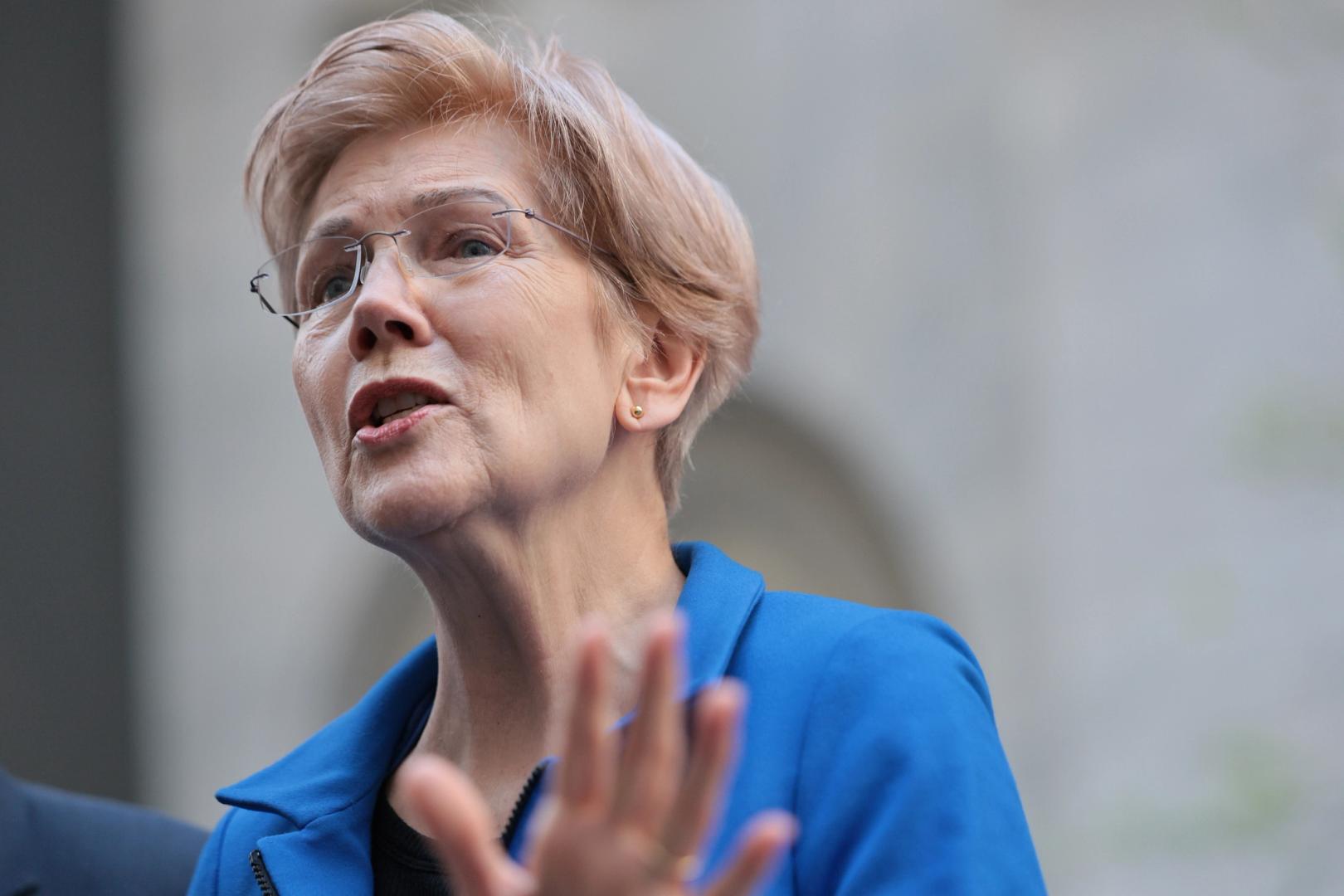
In a scathing critique, Senator Elizabeth Warren has accused a U.S. regulator of rubber-stamping unqualified crypto banks, sparking debate about the industry's oversight. This move signals a widening rift between lawmakers and regulators over the handling of cryptocurrency institutions. As things stand, the lack of clear guidelines has created a regulatory gray area, leaving many to wonder if the current framework is sufficient to protect consumers.
According to sources familiar with the matter, Senator Warren's accusations are centered around the regulator's alleged failure to conduct thorough reviews of crypto bank applicants. In a telling sign of the senator's concerns, she has called for greater transparency and stricter oversight of these institutions. But what does this mean for retail traders, who are often the most vulnerable to market fluctuations and regulatory missteps?
Regulatory Oversight Under Fire
The picture emerging is one of inadequate oversight, with some crypto banks seemingly receiving approval without meeting the necessary criteria. As we've seen in the past, such lax regulation can have far-reaching consequences, including market instability and financial losses for investors. It's worth noting that the regulator in question has not publicly responded to Senator Warren's accusations, fueling speculation about the validity of her claims.
Is this the turning point in the ongoing debate about crypto regulation? Perhaps, but as we delve deeper into the issue, it becomes clear that the problem is more complex than a simple matter of regulatory oversight. The crypto industry's rapid growth has outpaced the development of clear guidelines, leaving regulators to play catch-up. In this context, the use of tools like our crypto profit/loss calculator can help investors make informed decisions, but it's no substitute for robust regulation.
Crypto Regulations: A Delicate Balance
As Senator Warren's accusations highlight, finding the right balance between innovation and oversight is crucial. Overly stringent regulation can stifle the growth of the crypto industry, while inadequate oversight can expose investors to unnecessary risks.
The crypto industry needs clear guidelines, not a free-for-all, but also not a straitjacket that suffocates innovation. This is a sentiment echoed by many industry experts, who argue that a balanced approach is essential for the long-term sustainability of the market.
In this complex landscape, investors must be vigilant and take steps to protect their assets. This includes understanding the risks associated with crypto investments and using tools like our liquidation price calculator to mitigate potential losses. Furthermore, as the tax implications of crypto investments become more prominent, our crypto tax calculator can help investors navigate the often-confusing world of crypto taxation.
Sources close to the matter indicate that Senator Warren's accusations are part of a broader effort to increase scrutiny of the crypto industry. While some may view this as an attack on the industry, others see it as a necessary step towards establishing a more robust regulatory framework. As we've seen in the past, increased regulatory scrutiny can lead to greater legitimacy and mainstream acceptance of crypto assets.
Bottom Line
In conclusion, the controversy surrounding Senator Warren's accusations against the U.S. regulator highlights the need for clearer guidelines and more effective oversight of the crypto industry. As we continue to watch this story unfold, one thing is certain: the future of crypto regulation will be shaped by the delicate balance between innovation and oversight. What we're watching now is a regulatory landscape in flux, and only time will tell how the situation will unfold.