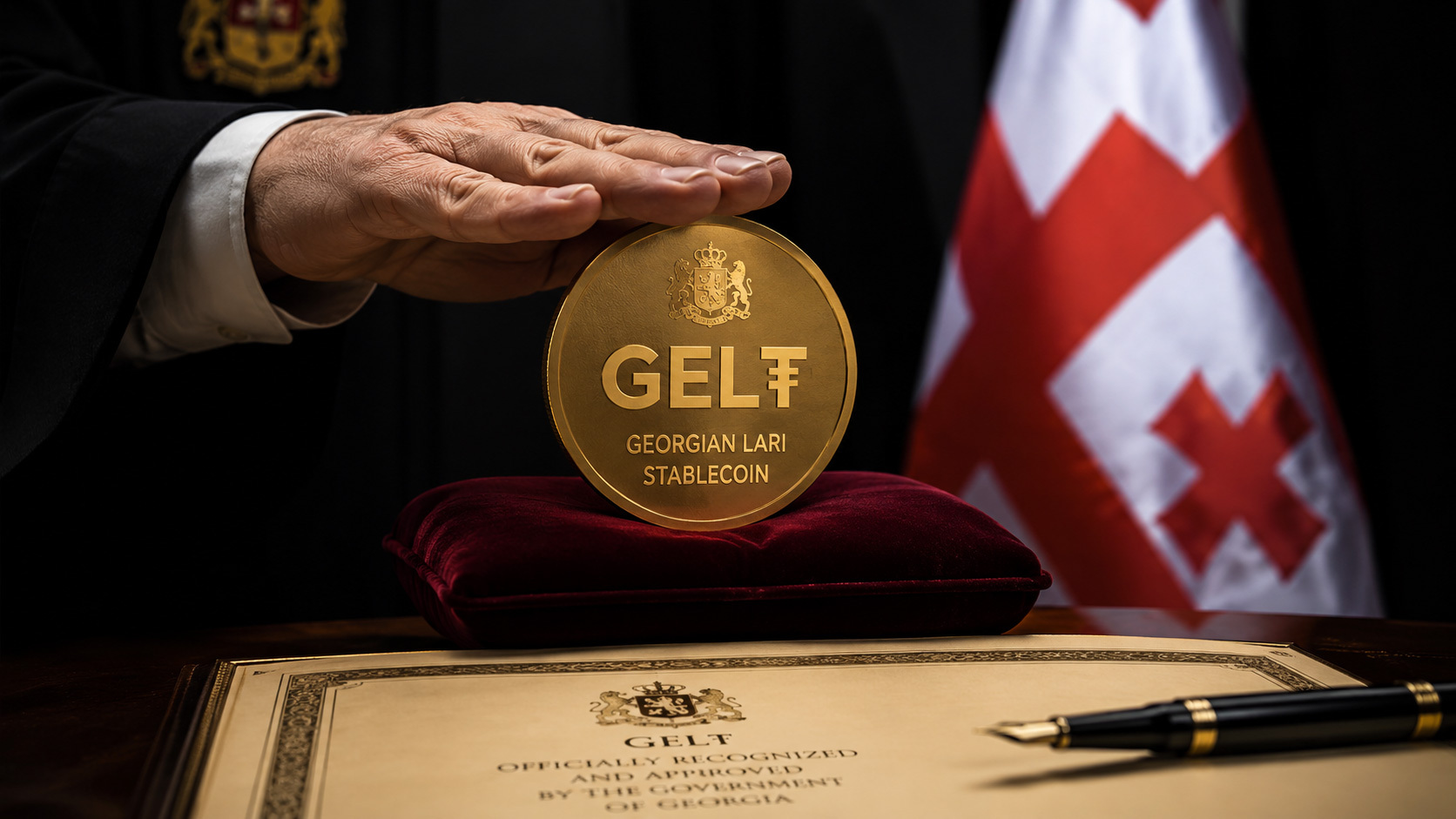
In a bold and pioneering move that could reshape the global financial landscape, Tether—one of the world's leading stablecoin issuers—has announced plans to launch a national currency-backed stablecoin in partnership with the Government of Georgia. This decision comes before most governments have established clear guidelines for such models, suggesting a shift in the paradigm of digital currencies and their integration into traditional financial systems.
The Tether Georgia Stablecoin: A Closer Look
The planned stablecoin, known as GEL₮, will represent the Georgian lari, making it the official stablecoin of the country. The announcement was made on May 25th by both parties, with Tether expressing its intent to push national currencies onto private stablecoin rails more rapidly.
A Turning Point in Financial Technology
As things stand, this move marks a significant turning point in the evolving relationship between governments and digital currency issuers. It raises questions about the future of central banking, the role of private entities in managing national currencies, and the potential impact on the global economy.
"What does this mean for retail traders? Will other countries follow suit, and what are the implications for financial stability?"
The Picture Emerging: A New Era of Currency Management
In a telling sign, Tether's announcement demonstrates a growing interest among both public and private sectors in the potential benefits offered by stablecoins. These benefits include increased efficiency, lower transaction costs, and improved access to financial services for underserved populations.
Navigating Regulatory Challenges
However, as we've seen in the past, these innovative ventures often face regulatory hurdles. Governments worldwide are still grappling with how to regulate stablecoins and ensure consumer protection while fostering innovation. This balance will be crucial for the successful implementation of Tether's Georgia stablecoin plan.
Bottom Line
The announcement by Tether and the Government of Georgia sets a precedent for other countries to consider adopting similar models, potentially revolutionizing the way national currencies are managed. While the road ahead may be fraught with challenges, the potential benefits are substantial. As we continue to monitor this development, staying informed about its implications is essential for investors and stakeholders alike.