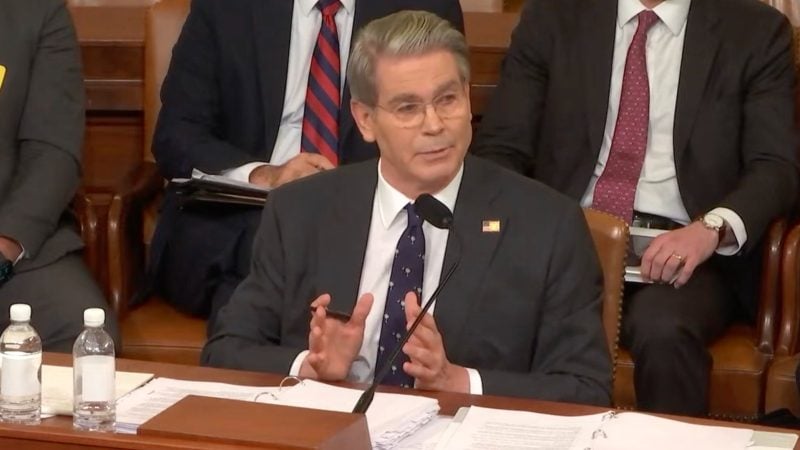
In a significant move that could reshape the digital asset landscape, the U.S. Treasury's sanctions agency, Office of Foreign Assets Control (OFAC), and its Financial Crimes Enforcement Network (FinCEN) have jointly proposed new regulations targeting stablecoin issuers. The announcement was made on March 10th, 2023, marking a critical step towards enhancing transparency and combating money laundering and sanctions evasion in the digital currency sector.
The Proposed Rules: A Closer Look
Sources familiar with the matter have revealed that the proposed rules would require stablecoin issuers to register with FinCEN, much like traditional money service businesses. This registration would mandate stringent anti-money laundering (AML) and know-your-customer (KYC) procedures, aiming to curb illicit activities in the stablecoin market.
Moreover, these rules could potentially apply to a broad range of stablecoins, including those pegged to fiat currencies like the U.S. dollar and those backed by cryptographic algorithms. The exact scope of the regulations is still unclear, but industry experts believe that the proposed rules may have far-reaching implications for both centralized and decentralized stablecoin issuers.
A Long-Awaited Development
This development has been anticipated by many in the digital asset community, as concerns about the potential use of stablecoins for illicit activities have grown over the past few years. As things stand, stablecoins are increasingly being used as a bridge between traditional and decentralized finance, making it crucial to ensure that they operate within a robust regulatory framework.
In a telling sign, the proposed rules come at a time when stablecoins have gained significant traction. According to industry estimates, the total market capitalization of stablecoins surged from around $50 billion in December 2020 to over $130 billion as of February 2023. This growth underscores the importance of addressing regulatory gaps to ensure the stability and integrity of this burgeoning sector.
Implications for Stablecoin Issuers
The proposed rules are likely to have far-reaching implications for stablecoin issuers, particularly those operating in the U.S. or seeking to tap into the American market. Compliance with these regulations may involve significant changes to their business models and operations, including investments in AML and KYC systems, hiring additional staff, and implementing robust reporting procedures.
What does this mean for retail traders? While the immediate impact on individual investors might be minimal, it's essential to stay informed about the evolving regulatory landscape. As we've seen with other regulations, changes in the rules can influence market dynamics and affect trading strategies.
Is This the Turning Point?
While it remains to be seen how industry stakeholders will respond to these proposed regulations, some experts argue that this could mark a turning point in the relationship between stablecoin issuers and regulators. If enacted, these rules could help establish a more robust regulatory framework for stablecoins, providing clarity and reassurance to investors while curtailing illicit activities.
On the other hand, critics contend that overly stringent regulations might stifle innovation in the sector, potentially driving stakeholders to seek friendlier jurisdictions. As the debate around these proposed rules unfolds, it will be interesting to see how the industry adapts and evolves.
Bottom Line
The U.S. Treasury's proposal for new stablecoin regulations is a significant development that could shape the future of this burgeoning sector. As things stand, it remains to be seen how these rules will be received by industry stakeholders and how they will ultimately impact the market. In the meantime, investors are encouraged to stay informed about regulatory developments and consider their potential impact on trading strategies.
For those interested in understanding their potential profit or loss from holding stablecoins, our crypto profit/loss calculator is an essential tool. Additionally, those looking to calculate their potential liquidation price can make use of our liquidation price calculator, while those with taxable crypto transactions should consult our crypto tax calculator.